
Why Traditional Migraine Approaches Fail (And What to Do Instead)
Part 2 of 3: The Nervous System Foundation No One Talks About
By Dr. Brenna Erickson, DC ┃The Migraine Whisperer
📖 Reading Time: 9 minutes
This is Part 2 of a 3-part series. If you haven't read Part 1 yet, start here: "Why You Keep 'Failing' at Migraine Protocols (It's Not You)" to understand learned helplessness and the shame spiral.
IN THIS POST:
The Three Territories of Your Nervous System
The Fertile Valley (Where Healing Happens)
The Windswept Plain (Fight or Flight)
The Frozen Tundra (Shutdown)
Why Traditional Protocols Assume You're Already in the Fertile Valley
Quick Recap: Where We Left Off
In Part 1, we talked about why you keep "failing" at migraine protocols.
Not because you're weak or lazy or broken.
But because of two powerful forces working against you:
1. Learned Helplessness: Your amygdala—your brain's threat detector—has learned that trying new protocols leads to disappointment. So it sabotages you by making you forget, feel too busy, or lose hope before you can be hurt again.
2. Shame: The quicksand pulling you deeper with every "failed" attempt. Shame whispers, "You don't deserve help. You wouldn't follow through anyway."
If you missed Part 1, go read it first. It explains why your brain keeps you stuck.
This post explains why traditional approaches fail—even when the science is sound.
And more importantly: what needs to happen BEFORE any protocol will work.
The Story of the Concrete Garden
Imagine you're trying to grow a garden.
You've read all the books. You know what to do.

Plant the seeds. Water them. Give them sunlight. Pull the weeds. Wait for growth.
So you do everything right.
You plant carefully. You water diligently—every day.
You make sure they get sun.
You pull every weed.
You follow the advice perfectly.
But nothing grows.
Here's what you don't know:
Underneath the soil—hidden from view—there's a layer of concrete.
Two inches down. Solid. Impenetrable.
The roots try to grow. They push down, seeking water, seeking nutrients.
And they hit the barrier. They can't get through.
The water you're pouring so carefully? It pools on top of the concrete, unable to sink deep.
The seeds try to sprout. But without deep roots, without access to the water below, they wither.
It's not the seeds.
It's not your watering technique.
It's not the sunlight or the soil amendments or the books you read.
It's the concrete.
The Three Territories of Your Nervous System
Dr. Stephen Porges gave us Polyvagal Theory—a map of the nervous system terrain.
Your nervous system isn't one thing. It's not just "on" or "off."
It's a landscape with three distinct territories.
And where you're standing in that landscape determines whether anything you try will work.

a green fertile valley
Territory 1: Ventral Vagal (The Fertile Valley)
This is where healing happens.
In this state, you feel:
Calm (not numb, not forcing—just... settled)
Grounded (like roots sinking into good soil)
Capable (like you can hold things gently without white-knuckling)
Connected (to yourself, to others, to possibility)
Safe (not perfect, not problem-free—just fundamentally okay)
In this state, your body can:
✅ Digest food properly (so gut healing protocols actually work)
✅ Make ATP efficiently (so mitochondrial supplements help)
✅ Balance hormones (so cycle tracking reveals patterns)
✅ Detoxify effectively (so liver support makes a difference)
✅ Build new neural pathways (so habit changes stick)
✅ Repair tissue (so sleep actually restores you)
✅ Grow
This is the fertile valley.
The soil is rich. The water sinks deep. The roots spread.
This is where gardens thrive.
This is where protocols work.
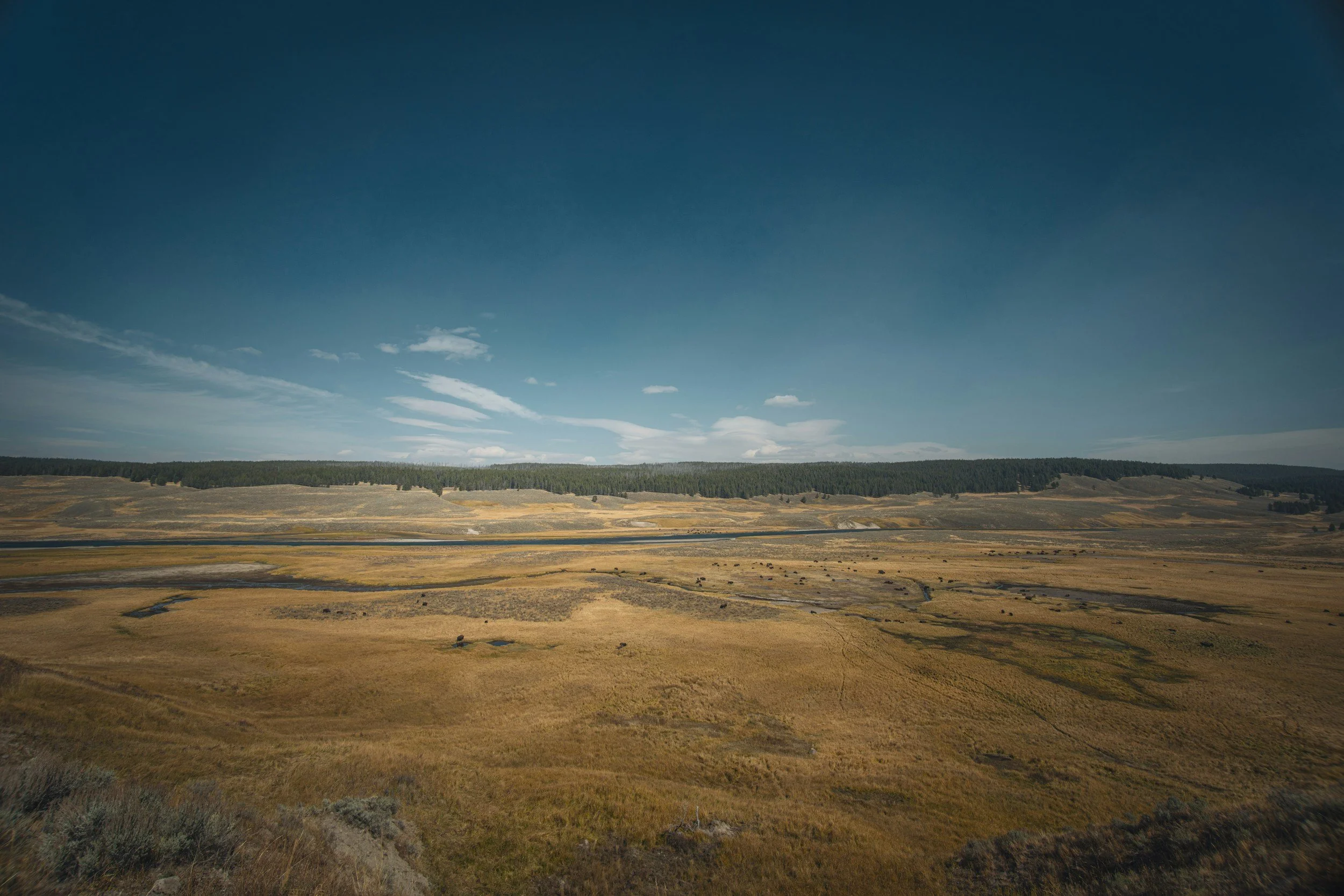
a desolate plain
Territory 2: Sympathetic (The Windswept Plain)
This is fight-or-flight.
Survival mode.
In this state, you feel:
Anxious (heart racing, thoughts spinning, can't settle)
Overwhelmed (too much, too fast, too loud, too bright)
Scattered (can't focus, can't finish anything, brain fog)
Reactive (everything feels like an emergency)
Wired but tired (exhausted but can't rest)
In this state, your body is:
⚠️ Prioritizing survival over everything else
⚠️ Flooding with cortisol and adrenaline
⚠️ Shutting down digestion (all blood flow diverted to muscles for fight/flight)
⚠️ Increasing inflammation (preparing for injury)
⚠️ Hypervigilant to threat (real or perceived)
⚠️ Unable to rest, repair, or connect
Think of it like this:
You're standing on a windswept plain.
The ground is hard. The wind is relentless.
You try to plant seeds.
But the wind blows them away before they can root.
The soil is too compacted. Nothing can take hold.
This is the windswept plain.
Seeds don't stand a chance here.
Protocols don't work here.

a frozen tundra at dawn
Territory 3: Dorsal Vagal (The Frozen Tundra)
This is shutdown.
Collapse.
Dissociation.
In this state, you feel:
Numb (not calm—absent)
Hopeless (like a heavy gray fog settled over everything)
Exhausted (bone-deep, soul-deep, can't-get-out-of-bed tired)
Disconnected (from yourself, from others, from caring)
Like giving up (what's the point anyway?)
In this state, your body is:
❄️ Conserving energy by shutting down non-essential functions
❄️ Slowing everything (heart rate, metabolism, motivation)
❄️ Protecting you through dissociation ("if I can't feel it, it can't hurt me")
❄️ Immobilized (can't fight, can't flee, so freeze)
❄️ Waiting for the threat to pass
Think of it like this:
You're standing on frozen tundra.
The ground is too hard to dig.
The cold is too intense for anything to grow.
You try to plant seeds.
But they sit on the surface, unable to penetrate the ice.
This is the frozen tundra.
The ground is too hard.
Nothing can grow here.
Protocols definitely don't work here.

ice caps on a rolling sandstone landscape
Your nervous system has three territories: the fertile valley (healing happens here), the windswept plain (fight or flight), and the frozen tundra (shutdown). Protocols only work in the fertile valley.
You Can Change These Territories (Think: Terraforming)
Here's what most people don't tell you:
You're not stuck on the windswept plain or frozen tundra forever.
These territories can shift.
If you've ever read science fiction, you know what terraforming is: the process of transforming a hostile environment into a habitable one. Taking a barren landscape and slowly, methodically, turning it into fertile ground where life can thrive.
That's what we're doing with your nervous system.
We're not trying to force plants to grow on a windswept plain or frozen tundra.
We're transforming those territories back into the fertile valley.
And here's the really good news:
I have the equipment.
Not metaphorically.
Literally.
The tools that shift your nervous system from windswept plain → fertile valley or frozen tundra → fertile valley are concrete, evidence-based practices backed by neuroscience, polyvagal theory, and clinical research.
Things like:
The Physiological Sigh (30 seconds to shift sympathetic → ventral vagal)
Bilateral movement (walking, tapping, humming—activates vagus nerve)
Cold exposure (ice on vagus nerve—resets autonomic nervous system)
Safe space visualization (retrains amygdala's threat detection)
Micro-commitments (3 days, not 30—builds evidence you can trust yourself)
These are the tools that change the landscape.
They don't grow the garden.
They prepare the soil where the garden becomes possible.

a person with two braids hikes through a green valley, they are wearing a yellow backpack with a ball cap hanging from the backpack.
"You can shift from windswept plain to fertile valley. From frozen tundra to fertile valley. I have the equipment. And it works."
Shifting From the Windswept Plain (Sympathetic → Ventral Vagal)
Current state: Constant activation. Can't settle. Wind that never stops.
Goal: Calm the storms. Settle the wind. Create conditions where things can root.
Equipment needed:
Physiological Sigh (calms sympathetic activation in 30 seconds)
Bilateral movement (walking, humming—shifts you out of fight/flight)
Grounding practices (5 senses, feet on earth, hand on heart)
Timeline: Minutes to hours (this shift happens relatively quickly)
What it feels like:
Attempt 1: Skeptical. "This is too simple."
Attempt 3: "Wait. My shoulders dropped. I didn't notice when."
Week 2: "I'm not constantly bracing anymore."
Shifting From the Frozen Tundra (Dorsal Vagal → Ventral Vagal)
Current state: Shutdown. Immobilized. Ground frozen solid.
Goal: Thaw the ice. Warm the ground. Create conditions where movement becomes possible again.
Equipment needed:
Movement (even 2 minutes—signals to your body "we're safe enough to move")
Connection (even one text to a safe person—breaks isolation)
Tiny commitments (so small they feel doable even in freeze)
Timeline: Days to weeks (this shift takes longer—the ice is thick)
What it feels like:
Day 1: "I can't. Everything feels impossible."
Day 5: "I moved for 2 minutes. That's... something."
Week 3: "I'm not numb anymore. I can feel again. It hurts. But I'm here."
The key:
You don't force the frozen tundra to become the fertile valley overnight.
You warm it slowly.
One degree at a time.
Why Traditional Protocols Assume You're Already in the Fertile Valley (But You're Not)
Here's the problem with most migraine protocols:
They assume you're already in the fertile valley.
They assume your nervous system is calm, grounded, capable.
They assume you can:
Digest the supplements they prescribe
Follow the meal plan consistently
Track your symptoms without it feeling overwhelming
Sleep on command when they tell you "get 8 hours"
Make behavior changes through willpower alone
But if you have chronic migraines, you're probably not in the fertile valley.
You're on the windswept plain (anxious, overwhelmed, reactive).
Or the frozen tundra (exhausted, hopeless, shut down).
Or oscillating between the two.
Because chronic pain + repeated failure = chronic nervous system dysregulation.
Here's What Happens When You Try Protocols From the Wrong Territory:
Scenario 1: You're on the Windswept Plain (Sympathetic Activation)
Traditional protocol says: "Take these gut-healing supplements with food."
But your body is in fight-or-flight.
The windstorm is constant.
So:
Your digestion is shut down (all blood flow to muscles)
You can't absorb the supplements properly
They sit in your gut, undigested
You get nauseous, bloated, or they just don't work
You think: "See? Nothing works for me. I'm too broken."
But it's not that the supplements don't work.
It's that you're trying to garden on the windswept plain.
The seeds are fine. The territory isn't ready.
The seeds are fine. The territory isn't ready.
Scenario 2: You're on the Frozen Tundra (Dorsal Vagal Shutdown)
Traditional protocol says: "Do this 20-minute morning routine—meditation, journaling, movement, healthy breakfast."
But your body is in shutdown.
The ground is frozen solid.
So:
You can't motivate (your body is conserving energy)
The routine feels impossible (like trying to dig through ice with your bare hands)
You skip it
You feel shame
You think: "I can't even do something simple. What's wrong with me?"
But it's not that you're lazy.
It's that you're trying to garden on frozen ground.
The ground is frozen solid. Nothing can root there.
Yet.
Dr. Stephen Porges gave us Polyvagal Theory—a map of the nervous system terrain.
Your nervous system isn't one thing. It's a landscape with three distinct territories.
This is why you keep "failing."
Not because the protocols are wrong.
Not because you're not trying hard enough.
But because you're trying to garden in the wrong territory.
And the protocols—the books, the practitioners, the well-meaning advice—keep handing you fertile valley seeds and saying:
"Just plant these. Water them. They'll grow."
But they won't.
Not on the windswept plain.
Not on the frozen tundra.
Not until you shift the territory.

a person sits on top of a peaked rock in a wild landscape, stars are visible overhead as the last light of dusk disappears into the horizon
Traditional protocols hand you fertile valley seeds and expect them to grow on the windswept plain or frozen tundra. But you can't garden in the wrong territory.
You have to shift the landscape first.
👉 Ready to shift territories?
Download the free "Oh Shit" Migraine Toolkit — The Physiological Sigh shifts you from windswept plain to fertile valley in 30 seconds.
The Order Matters: Foundation Before Walls
You wouldn't build a house by starting with the roof.
You'd start with the foundation.
Pour the concrete. Let it cure. Build the frame. Add the walls. Then add the roof.
In that order.
If you tried to install roof tiles without a frame to attach them to, they'd just slide off.
And when they did, you wouldn't say: "I must have installed them wrong. Let me try again."
You'd say: "Oh. There's no frame. I need to build the frame first."

But here's what traditional migraine protocols do:
They hand you the roof tiles and say "install these."
Traditional Protocol:
Step 1: Eliminate inflammatory foods
Step 2: Take these 12 supplements
Step 3: Optimize sleep (8 hours, side-sleeping, no screens)
Step 4: Manage stress (meditation, yoga, boundaries)
Step 5: Track everything
And when the tiles slide off—when you can't stick to the diet, when you forget the supplements, when sleep falls apart, when stress feels unmanageable—they say:
"You must not have installed them correctly. Try harder."

an assortment of hand tools on a flat background
What's missing?
The foundation.
Your nervous system.
Traditional Migraine Approach:
Step 1: Diet changes (anti-inflammatory, elimination)
Step 2: Supplements (magnesium, riboflavin, CoQ10, B vitamins)
Step 3: Lifestyle optimization (sleep, exercise, stress management)
Step 4: Track and adjust
Assumption: You're in the fertile valley. You're ready. Your nervous system is calm and capable.
Reality: You're on the windswept plain or frozen tundra. And from there, none of this works.
TENDing Method Approach:
Step 1: Shift to the fertile valley FIRST (nervous system safety → create the right conditions)
Step 2: Build evidence through micro-commitments (retrain your amygdala)
Step 3: Layer in ONE root cause tool at a time (so your body can adapt)
Step 4: Practice self-compassion when you "fail" (because you will, and that's information)
Assumption: You're probably NOT in the fertile valley yet. And that's okay. We have the tools to shift territories.
Reality: Once you're IN the fertile valley, the protocols actually work.
You see the difference?
Traditional: Assumes you're ready. Blames you when you're not.
TENDing: Meets you where you are. Shifts the territory first. Then gardens.
Traditional says: "Here are the seeds. Plant them. Why aren't they growing?"
TEND says: "I see you're on the windswept plain. Let's calm the storms, settle the wind, prepare the soil. THEN we'll plant. And they'll grow."

"You wouldn't build a house starting with the roof. But traditional protocols hand you supplements without first creating nervous system safety. Shift the territory, then garden."
Why I Do This Work
(A Moment of Vulnerability)
I've sat across from so many people who believed they were broken.
Hundreds of conversations that start the same way:
"I've tried everything. Nothing works. I think I'm just too complicated."
"Maybe I'm not trying hard enough."
"Maybe I'm just... stuck."
And here's what I carry:
The weight of wanting to fix them (and knowing I can't).
I'm not a magician. I can't cure chronic migraines. I can't snap my fingers and shift someone from the frozen tundra to the fertile valley.
The grief of watching brilliant, capable humans shrink themselves because they've been told—implicitly or explicitly—that they're "too much."
Too sensitive. Too complicated. Too high-maintenance.
The privilege of witnessing what happens when someone realizes:
"Wait. I'm not broken. I'm just in the wrong territory. And territories can shift."
That's why I do this work.
Not because I have migraines.
I don't. I've never stood on the windswept plain or frozen tundra the way my patients have.
But I've seen—over and over, patient after patient—what happens when people are given:
Permission to shift territories instead of force growth
Understanding instead of blame
The tools to change their landscape
And that—that shifts everything.
Not cure.
Not perfection.
Partnership.
With their bodies. With their nervous systems. With their landscapes.
I have the tools to help you shift territories.
And I know how to use them.
What Comes Next
This is Part 2 of the 3-part series.
You now understand:
Part 1: Why you keep "failing" (learned helplessness + shame)
Part 2: Why traditional approaches fail (you're in the wrong territory—and you need to shift it first)
In Part 3, I'll give you the HOW:
The 5 practices that shift territories (step-by-step)
Exactly what happens Day 1, Day 2, Day 3, Week 3, Week 10 as you move from windswept plain or frozen tundra to fertile valley
A real client story: Jennifer's journey from frozen tundra → fertile valley (and why the destination matters less than the journey)
The Migraine Resilience Academy (your territory-shifting training program)
Your first landscape adjustment (where to start TODAY)
But you don't have to wait for Part 3 to begin shifting.
Your Next Step: Start Shifting Today
Download the free "Oh Shit" Migraine Toolkit.
It includes The Physiological Sigh—your first territory-shifting tool.
30 seconds to shift from windswept plain (sympathetic activation) to fertile valley (ventral vagal calm).
This is how landscapes change.
One breath at a time.
👉 Download the "Oh Sheet" Migraine Toolkit here (free)
Then come back for Part 3, where I'll show you the full territory-shifting sequence.
Territories Can Change
Here's what I need you to remember:
You're not broken.
You're not failing.
You're just in the wrong territory.
And territories can shift.
The windswept plain can become the fertile valley.
The frozen tundra can thaw.
Your nervous system can shift from survival mode to safety.
Not through force.
Through the right tools. Through small, consistent landscape adjustments. Through retraining your amygdala's threat detection.
Through changing the conditions BEFORE planting the seeds.
Your body is a garden, not a machine.
And gardens need fertile soil before they can grow.
I have the tools to help you shift the landscape.
Let's use them.
What does your garden need today?
Dr. Brenna Erickson, DC
The Migraine Whisperer
DNFT-Certified | Functional Medicine Trained
Minneapolis, Minnesota
RESOURCES
👉 START HERE: Download the free "Oh Shit" Migraine Toolkit
👉 GO DEEPER: Learn about The Migraine Resilience Academy
👉 FOLLOW ALONG: @migrainewhisperer on Instagram
SHARE THIS POST
💚 Know someone who's tried "everything" and thinks they're broken? Share Part 2.
📌 Pin it for later (Pinterest-friendly images below)
💬 Leave a comment: Which territory do you spend most time in—fertile valley, windswept plain, or frozen tundra?
