
Why You Keep 'Failing' at Migraine Protocols (And What to Do Instead)
By Dr. Brenna Erickson, DC┃The Migraine Whisperer
📚 Read time: 18 minutes
Grab a coffee or tea and have a seat, I promise it’s worth it.
IN THIS POST:
You know the pattern by heart now.
You find a new protocol. A new approach. A new promise glimmering on the horizon.
"This will be different," you tell yourself. "This time I'll stick with it."
You start with hope.
Real, fragile, bird-in-cupped-hands hope.
You buy the supplements—the magnesium glycinate, the riboflavin, the CoQ10 lined up like soldiers on your kitchen counter. You meal prep containers of anti-inflammatory food, their lids fogging in the fridge. You download the tracking app. You set alarms. You commit.
For three days, you're flawless.
A tightrope walker in perfect balance.
By day seven, you've forgotten the evening dose. Your ankle starts to shake..
By day ten, you're "too busy" to cook the healing meals. The containers sit untouched, their contents browning at the edges.
By week three, the supplements gather dust. The tracking app sends notifications into the void. The protocol lies abandoned like a garden you stopped watering.
And the shame lands heavy.
Not like rain.
Like a boulder dropped from a great height, pinning you to the ground.
"What's wrong with me?"
"Why can't I just stick to something?"
"Everyone else can do this. Why am I so weak?"

Here's what I need you to know:
You're not failing.
You're not weak.
You're not a broken machine that won't run properly.
You're a garden whose roots are sitting in concrete.
And you've been blaming the seeds for not growing.
The Neuroscience of Why You Can't Stick to Protocols
Let me tell you about learned helplessness.
This Is A Story About Dogs.
In the 1960s, psychologist Martin Seligman conducted an experiment that would change our understanding of mammal behavior. (trigger warning: descriptions of animal discomfort)
He placed dogs in a shuttle box—a small enclosure divided into two sections by a low barrier.
Phase 1: The dogs were given mild shocks. They could escape by jumping over the barrier to the safe side.
They learned quickly. Shock → jump → safety.
Phase 2: Some dogs were placed in a harness so they couldn’t jump away. The shocks came no matter what they did.
They struggled at first. Desperately. Then, slowly, they stopped trying.
Phase 3: The harnesses were removed, and the dogs were returned to the shuttle box. The barrier was still low. Escape was still possible.
But here's what happened:
The dogs who had been harnessed didn't even try.
They just... lay down.
Even when escape was right there, they had learned:
"Nothing I do matters. Effort is futile. Why try?"

This is your brain on repeated protocol failure.
You are the dog who tried to jump the barrier—over and over and over.
Diet after diet. Supplement after supplement. Lifestyle change after lifestyle change.
And the migraines kept coming.
So your brain—your brilliant, pattern-recognizing, survival-oriented brain—learned:
"Protocols = disappointment. Hope = pain. Trying = suffering."
And now, even when escape is possible, you lie down.
Not because you're weak.
Because your amygdala is keeping you pinned to the ground, trying to protect you from the agony of hoping again.
Here's What Happens in Your Brain:
Think of your amygdala as a museum curator of trauma.
Every failed attempt? Filed away. Catalogued. Preserved.
Exhibit A: The Elimination Diet (2019) "Subject tried removing gluten, dairy, eggs, nightshades, citrus, caffeine, alcohol. Lasted 18 days. Migraines continued. Subject experienced intense food shame and social isolation. Conclusion: Dietary restriction = suffering without relief."
Exhibit B: The Supplement Protocol (2021) "Subject purchased $200 worth of vitamins. Took them religiously for 11 days. Forgot them on day 12. Felt like failure. Abandoned by day 17. Conclusion: Supplements = another thing I can't do right."
Exhibit C: The Sleep Hygiene Overhaul (2023) "Subject tried: blackout curtains, blue light glasses, magnesium before bed, no screens after 8pm, sleep tracking ring. Life got stressful. Sleep fell apart anyway. Migraines continued. Conclusion: Even 'simple' things are impossible for me."
Your amygdala curates this museum.
And every time you approach a new protocol, it walks you through the exhibits.
"Remember? Remember what happened last time? And the time before that? And the time before that?"
"Let's not do this again."
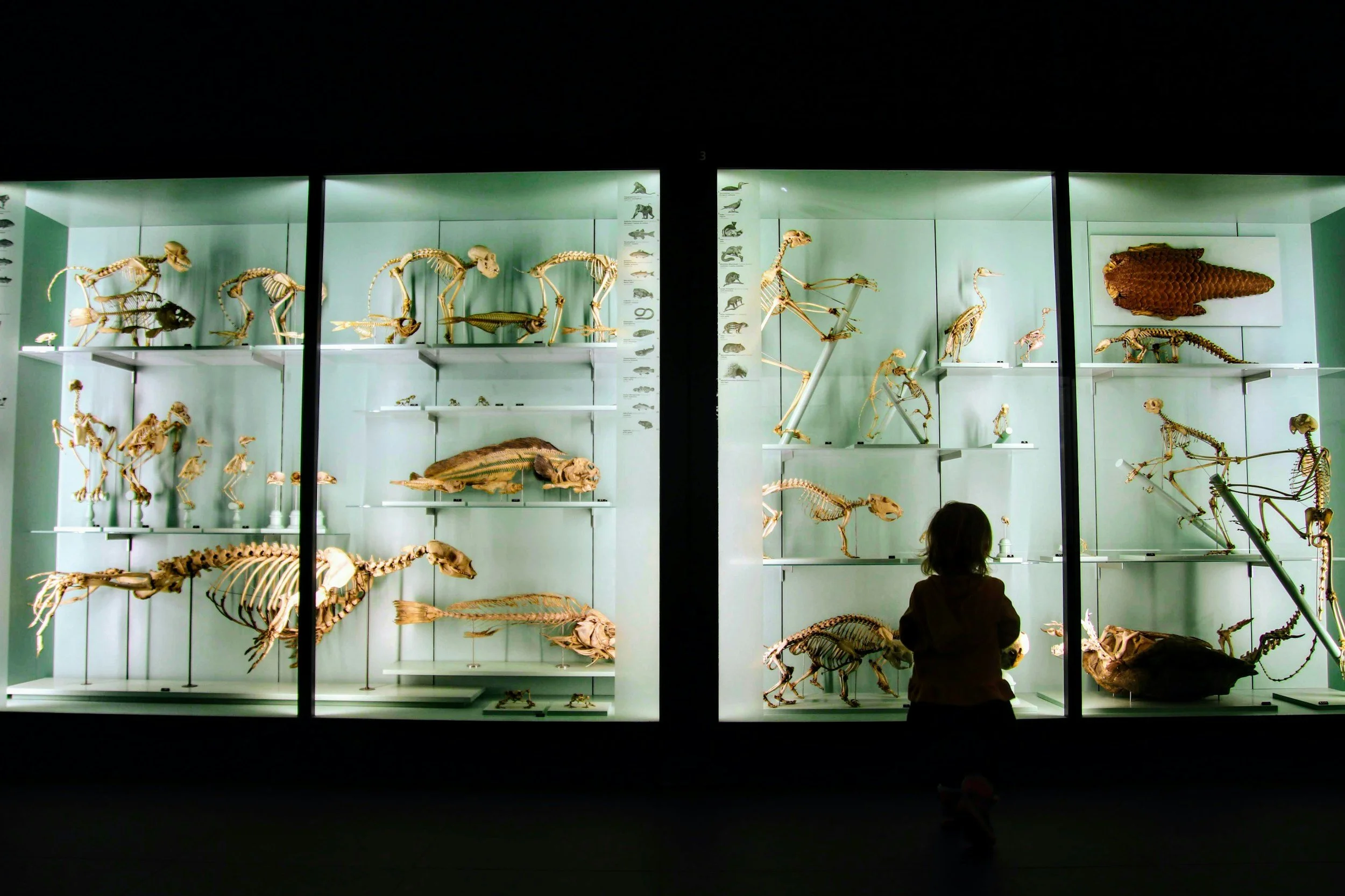
Your amygdala is a museum curator of trauma. Every failed attempt? Filed away, catalogued, preserved. And every time you try something new, it walks you through the exhibits.
👉 Want to retrain your amygdala? Start here: Download the free "Oh Sheet" Migraine Toolkit — 5 practices to use when you feel a migraine coming. Small, doable, immediate.
How Sabotage Shows Up (The Quiet Assassin)
You don't consciously decide to quit.
Your amygdala is far more sophisticated than that.
It doesn't scream "STOP."
It whispers.
The Whisper of Forgetting:
The supplements sit on the counter. Right there. In plain sight.
But somehow, you walk past them. Morning after morning.
Not because you don't care.
Because your amygdala has muted the alarm.
It's turned down the volume on the part of your brain that remembers. That prioritizes. That follows through.
"If she forgets, she can't fail. I'm helping."
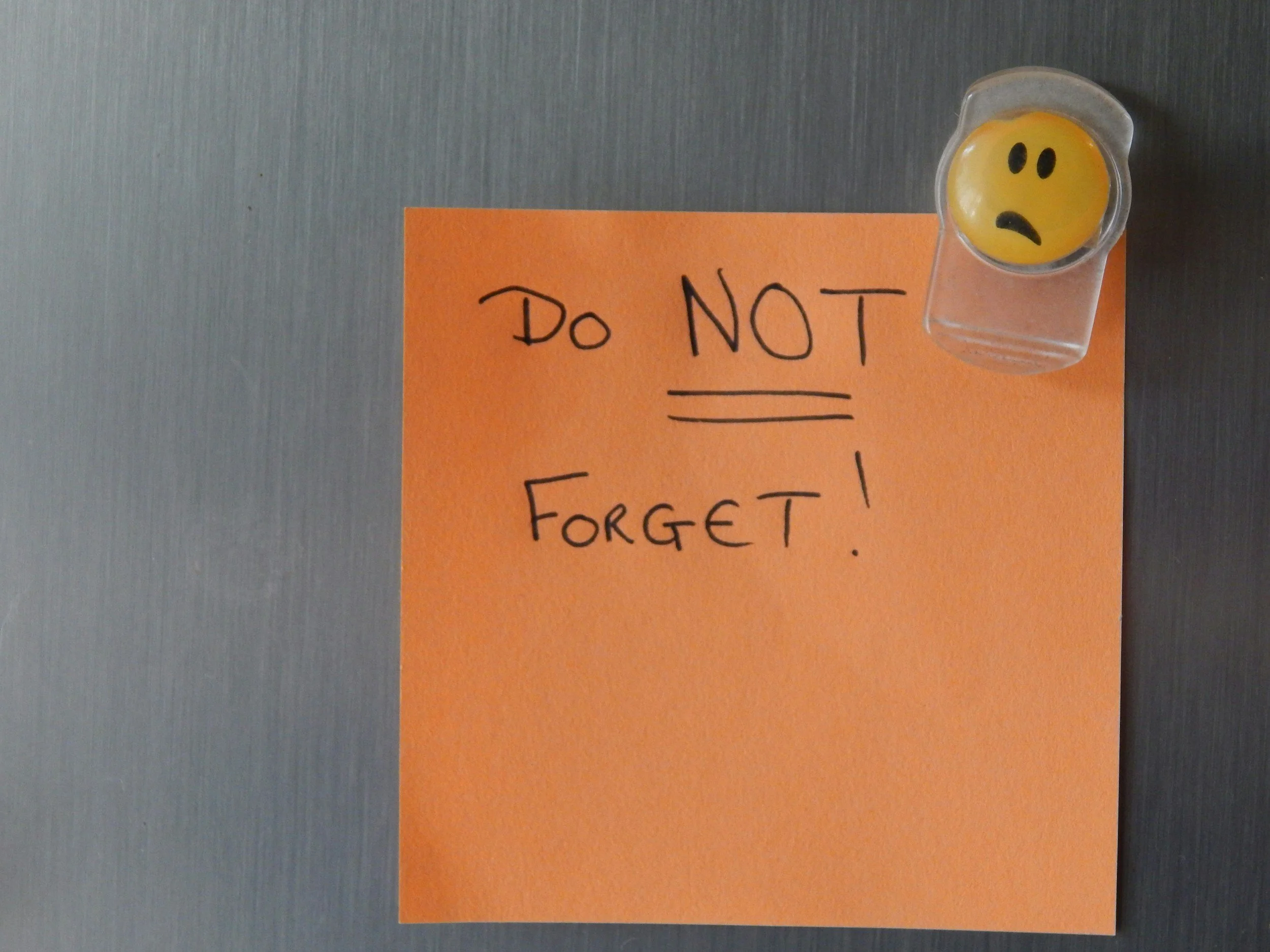
The Whisper of "No Time":
Suddenly, inexplicably, you're too busy.
Work explodes. Kids need more. The house demands attention.
Life has always been full. But now it feels impossible.
Because your amygdala is amplifying the obstacles.
It's like someone turned up the gravity. Everything takes more effort. Everything feels heavier.
"If she's too busy, she has an excuse. I'm protecting her from shame."
The Whisper of Hopelessness:
You read about the protocol. It makes sense. The science is solid.
But a quiet voice says: "This is just like all the other things that didn't work."
Not loud. Not dramatic.
Just... heavy. Like trying to run through water.
Because your amygdala is adding weight to every step.
"If she doesn't hope, she can't be disappointed. I'm saving her from pain."

Your amygdala isn't your enemy.
It's a guard dog that's been trained by repeated failure to keep you from trying.
And guard dogs don't respond to logic.
They respond to safety.
The Shame Spiral (The Quicksand)
On top of the learned helplessness, you're carrying shame.
Not like a backpack you can set down.
Like quicksand you're standing in, pulling you deeper with every attempt to move.

Shame about being "unreliable":
You're the person who cancels.
The one who says "I'll be there" and then isn't.
The one whose friends have learned to make backup plans.
Every canceled event is another inch deeper into the quicksand.
Shame about being a "burden":
Your partner picks up the slack when you're down.
Your kids hear "not today, Mommy has a headache" so often it's become background noise.
Your employer needs you to be consistent, and you're... trying.
Every accommodation you need is another inch deeper.
Shame about being "weak":
Other people push through.
Other people handle stress, bright lights, loud noises, long days.
Why do you need so much rest? So much quiet? So much care?
Why are you so goddamn sensitive?
Another inch deeper.
Shame about being "broken":
The worst kind.
The kind that whispers: "There's something fundamentally wrong with you."
"You're too complicated. Too far gone. Too much."
"Maybe you're just... broken."
And the quicksand closes over your head.
Brené Brown's research shows us:
You can't heal what you're ashamed of.
Because shame creates a trap:
The more you try → the more you "fail" → the more shame you carry → the harder it is to try → the more you "fail" → the more shame you carry.
It's not a cycle.
It's a spiral.
Going down.

Shame is quicksand. Every failed attempt pulls you deeper. Every accommodation you need, another inch down. Until the quicksand closes over your head.
The Story of the Concrete Garden (Why Traditional Approaches Fail)
Imagine you're trying to grow a garden.
You've read all the books. You know what to do.
Plant the seeds. Water them. Give them sunlight. Pull the weeds. Wait for growth.
So you plant.
You water diligently. Every morning, every evening.
You make sure they get sun.
You pull every weed.
You do everything right.
But nothing grows.
Week after week, you water the bare soil.
You feel like a failure.
"What am I doing wrong?"
"Why can't I grow anything?"
"Everyone else can do this. What's wrong with me?"
Here's what you don't know:
Underneath the soil—hidden from view—there's a layer of concrete.
The roots can't penetrate.
The water pools on the surface, unable to sink in.
The seeds try to sprout, but they hit the barrier and stop.
It's not the seeds.
It's not your watering technique.
It's not you.
It's the concrete.
That concrete is your nervous system stuck in survival mode.
And no amount of perfect watering (supplements, diet, sleep hygiene) will make plants grow through concrete.
You have to break up the concrete first.
Why I Do This Work (A Moment of Vulnerability)
I've sat across from so many people who believed they were broken.
And here's what I carry:
The weight of wanting to fix them (and knowing I can't).
The grief of watching brilliant, capable humans shrink themselves because they've been told they're "too much."
The privilege of witnessing what happens when someone finally hears: "You're not broken. Your roots are just sitting in concrete. Let's break it up together."
That's why I do this work.
Not because I have migraines.
But because I've seen what happens when people are given permission to tend instead of force.
And that—that shifts the terrain.
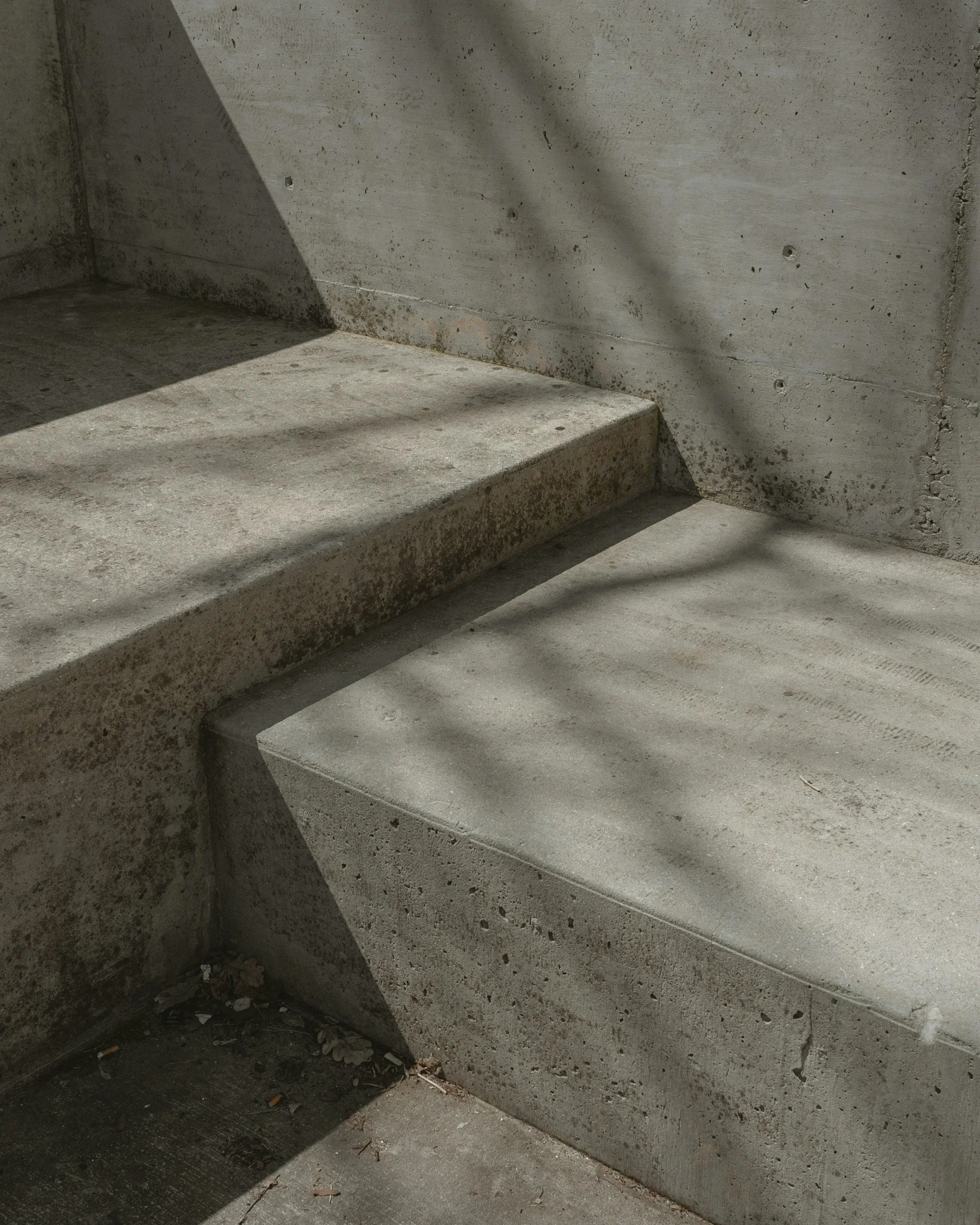
You're not failing because of the seeds. You're failing because you're trying to grow a garden in concrete. And you've been blaming yourself when nothing grows."
The Three States of Your Nervous System (The Landscape You're Gardening In)
Dr. Stephen Porges gave us Polyvagal Theory—a map of the nervous system terrain.
Your nervous system isn't one thing. It's a landscape with three distinct territories.

Territory 1: Ventral Vagal (The Fertile Valley)
This is where healing happens.
In this state, you feel:
Calm (not numb, not forcing—just... settled)
Grounded (like roots sinking into good soil)
Capable (like you can hold things gently without white-knuckling)
Connected (to yourself, to others, to possibility)
In this state, your body can: ✅ Digest food (gut healing works) ✅ Make ATP efficiently (mitochondrial support works) ✅ Balance hormones (cycle tracking works) ✅ Detoxify (liver support works) ✅ Build new neural pathways (habit change works) ✅ Grow
This is the fertile valley.
This is where gardens thrive.

Territory 2: Sympathetic (The Windswept Plain)
This is fight-or-flight.
In this state, you feel:
Anxious (heart racing, thoughts spinning)
Overwhelmed (too much, too fast, too loud)
Scattered (can't focus, can't land anywhere)
Reactive (everything feels like too much)
In this state, your body is:
Prioritizing survival over everything else
Flooding with cortisol and adrenaline
Shutting down digestion (all blood to muscles)
Hypersensitive to threat (real or perceived)
This is the windswept plain.
Seeds blow away before they can root.
Nothing takes hold.

Territory 3: Dorsal Vagal (The Frozen Tundra)
This is shutdown.
In this state, you feel:
Numb (not calm—absent)
Hopeless (like a heavy gray fog)
Exhausted (bone-deep, soul-deep tired)
Disconnected (from yourself, from others, from caring)
In this state, your body is:
Conserving energy by shutting down
Slowing everything (heart rate, metabolism, motivation)
Protecting you through dissociation
Giving up
This is the frozen tundra.
The ground is too hard.
Nothing can grow here.
Here's the Problem:
If you have chronic migraines, you're spending most of your time on the windswept plain or the frozen tundra.
Not because you're choosing it.
Because chronic pain + repeated failure = chronic nervous system dysregulation.
And traditional protocols assume you're in the fertile valley.
They hand you seeds and say "plant these."
But you're standing on concrete in a windstorm, or frozen ground.
The seeds don't stand a chance.

Traditional protocols assume you're in the fertile valley. But you're standing on concrete in a windstorm. The seeds don't stand a chance
👉 Ready to shift from windswept plain to fertile valley? Get the free toolkit — The Physiological Sigh practice shifts your nervous system in 30 seconds.
The Order Matters (Foundation Before Walls)
You wouldn't build a house by starting with the roof.
You start with the foundation.
Pour the concrete. Let it cure. Build the frame. Then add the roof.
In that order.

But here's what traditional migraine protocols do:
They hand you the roof tiles and say "install these."
And when the tiles slide off because there's no frame to attach them to, they say:
"You must not have installed them correctly. Try again."
Traditional migraine approach:
Step 1: Diet changes (anti-inflammatory, elimination) Step 2: Supplements (magnesium, riboflavin, CoQ10) Step 3: Lifestyle optimization (sleep, stress management) Step 4: Track and adjust
What's missing: The foundation. Your nervous system.
My TENDing Method approach:
Step 1: Nervous system safety (create the fertile valley)
Step 2: Build evidence through micro-commitments (you can trust yourself)
Step 3: Layer in ONE root cause tool at a time (mitochondria, gut, hormones)
Step 4: Practice self-compassion when you "fail" (because you will, and that's okay)
You see the difference?
Traditional: Assumes you're ready. Blames you when you're not.
TENDing: Meets you where you are. Creates readiness first.
What Actually Works: The Garden Needs Tending Before Planting

Here's the approach that changes the game:
Break up the concrete first.
Then plant.
How to Break Up the Concrete (Nervous System Safety Practices):
PRACTICE 1: Recognize Learned Helplessness (Awareness)
Name what's happening:
"I feel like I'm failing. AND that's my amygdala curating the museum of past disappointments. It's trying to protect me."
Not: "I'm broken."
But: "My guard dog is overprotective. And guard dogs can be trained."
PRACTICE 2: Build Shame Resilience
Shame is the quicksand.
Here's how you stop sinking:
Step 1: Recognize shame "I feel like I'm a burden. I feel like I'm broken."
Say it out loud. To yourself. To someone safe.
Naming shame is the first step out of the quicksand.
Step 2: Practice critical awareness "Is it TRUE that I'm broken? Or is that shame talking?"
Shame lies. It says: "You're fundamentally flawed."
Truth says: "You're human. With a nervous system that's been through a lot."
Question the shame story.
Step 3: Reach out Tell someone you trust:
"I'm struggling. I started another protocol and I'm already feeling like I'm going to abandon it. I feel so much shame about this."
Shame dies in empathy.
It thrives in secrecy, in silence, in the dark.
Speak it into the light.
Step 4: Speak shame without letting it define you "I notice I'm feeling shame about not following through. AND I'm going to try again anyway. Because shame doesn't get to decide what I'm capable of."
Speaking shame removes its power.
The quicksand starts to solidify.
You can move again.

Shame dies in empathy. It thrives in secrecy. When you speak shame into the light, it starts to lose its grip
PRACTICE 3: Start with Micro-Commitments (Build Evidence, One Stone at a Time)
Don't commit to 30 days.
Your amygdala has learned: "30-day commitments = failure at day 17."
Commit to 3 days.
Just 3.
Why this works:
Imagine you're building a stone path through the garden.
Traditional approach says: "Lay 30 stones. Today."
You lay 5. You get tired. You stop. The path is incomplete. Shame lands.
Micro-commitment approach says: "Lay 3 stones. That's it."
You lay 3 stones.
You complete the task.
Your amygdala files this away:
"Oh. We CAN do this. We said we'd lay 3 stones, and we did. We can trust ourselves."
That evidence is everything.
Because the next time you commit to 3 stones, your amygdala whispers:
"Last time, we followed through. Maybe we can do it again."
And slowly, 3 stones at a time, the path gets built.
Not through force.
Through trust.

Don't commit to 30 stones. Commit to 3. Your amygdala can trust 3. Build the path slowly, through trust, not force
PRACTICE 4: Regulate Your Nervous System Daily (The Foundation)
Before you add supplements, elimination diets, complex protocols—create safety.
The Physiological Sigh (Your Emergency Reset Button)
What it is:
Two sharp inhales through your nose (the second one tops off your lungs)
One long, slow exhale through your mouth
Repeat 3-5 times
Why it works:
The double inhale inflates the alveoli in your lungs like tiny balloons.
The long exhale activates your vagus nerve—the nerve that signals to your brain:
"We're safe. Stand down the threat response."
This shifts you from the windswept plain (sympathetic) to the fertile valley (ventral vagal) in 30 seconds.
Here's what I'm asking you to do:
Try this practice for 3 days.
I can't promise it will eliminate your migraine. But I can promise the physiology is real: the Physiological Sigh activates your vagus nerve. That's mechanics, not belief.
What I don't know: how YOUR body will signal that shift. Because every nervous system uses slightly different vocabulary.
Here's what to notice:
Day 1: You'll probably feel skeptical. "This is too simple." Try it anyway.
After the practice, pause for 10 seconds. Notice:
Did your shoulders drop (even slightly)?
Did you yawn, swallow, or sigh?
Did your jaw unclench?
Did you take a deep breath without trying?
Did the room feel less overwhelming?
Did sounds feel less sharp?
Does your mind feel suddenly clear?
Do you feel grounded, and more present in your body?
These are called "glimmers"—tiny shifts from threat to safety. Your nervous system softening, even for a moment.
You might not feel anything yet. That's okay. Some nervous systems need more evidence before they soften. That's not failure. That's data about how long yours has been in survival mode.
Day 2: Keep noticing the glimmers.
New ones might appear:
Your chest feels more open (dorsal → ventral)
Your thoughts slow down slightly (sympathetic → ventral)
You feel your body again instead of floating above it (dissociation lifting)
You notice you're hungry (digestion coming back online)
A small task feels doable instead of impossible
These aren't "all better." These are your nervous system testing: "Is it safe to come out of survival mode?"
Day 3: You showed up for three days.
Your amygdala is filing this away: "We said we'd do this. We did it. Maybe we can trust ourselves."
That evidence—that you followed through—matters as much as the glimmers.
Because once your nervous system learns "trying is safe," everything else becomes possible.
The mechanism works. The question is: can you learn your body's language?
What 'Glimmers' Feel Like

Your Nervous System's Language
When you shift from survival mode → safety, your body signals in small ways. These are called "glimmers" (opposite of triggers).
DORSAL VAGAL → VENTRAL VAGAL (Shutdown → Safety):
✨ Your chest opens (you can take a full breath)
✨ Colors look brighter, less gray
✨ You feel present in your body (not floating/watching yourself)
✨ A small spark of interest in something
✨ You notice you're hungry or thirsty (body sensations return)
SYMPATHETIC → VENTRAL VAGAL (Fight-or-Flight → Safety):
✨ Shoulders drop away from ears
✨ Jaw unclenches
✨ Sounds feel less sharp/overwhelming
✨ Thoughts slow down (less mental spinning)
✨ Tasks that felt impossible feel "maybe doable"
✨ The tightness in your chest releases
These shifts might last 30 seconds. Or 3 minutes. Or they might not happen on Day 1.
That's okay. You're training your nervous system to recognize: "Oh. Safety is possible."
The more you practice, the longer the glimmers last. The more your body trusts them.
This is body literacy. Learning your nervous system's language.
Do this practice:
First thing in the morning (before your feet hit the floor)
When you feel overwhelmed (in the car, at your desk, in the bathroom)
Before bed (to shift out of the day's activation)
Anytime you notice your shoulders creeping toward your ears
This is breaking up the concrete.
One breath at a time.
👉 Get the complete guide: Download the "Oh Sheet" Toolkit — Includes the Physiological Sigh + 4 more practices to use when prodrome hits.
PRACTICE 5: Layer ONE Root Cause Tool at a Time (Not Ten)
Once your nervous system is regulated—even a little—THEN add tools.
But only one at a time.
Think of it like tending a garden:
You don't plant tomatoes, peppers, squash, herbs, flowers, and fruit trees all on the same day.
You plant one thing.
You tend it.
You watch it root.
Then you plant the next thing.

Here's what this might look like:
I'm not going to promise you a specific timeline. Bodies don't work on schedules.
But I can show you the process that works when you give your nervous system permission to move at its own pace.
Weeks 1-2: Nervous system safety
Practice daily:
Physiological sigh (30 seconds, 3x/day)
Safe space visualization (3-5 minutes)
Self-compassion practice (hand on heart, "I'm doing my best")
What you might notice:
Your shoulders drop easier when you catch them creeping up
Sleep deepens slightly (maybe 20-30 more minutes) or feels more restful
You feel less reactive to small stressors
Or you might not notice anything yet. That doesn't mean it's not working. Your nervous system is collecting evidence: "Oh. We're practicing safety. Maybe trying IS safe."
Week 3: Add ONE root cause lever (pick the most accessible for YOUR life)
Choose one:
Sleep optimization (7-8 hours, side-sleeping for glymphatic flow)
Blood sugar stability (protein + fat + fiber at every meal)
Hydration + electrolytes (not just water)
Gentle movement (walking, stretching—not HIIT)
Pick the one that feels easiest. Not the one that "should" be most important. The one you can actually do.
What you might notice:
Better energy within 5-7 days (if blood sugar or hydration)
Deeper sleep within a week (if sleep optimization)
Less brain fog (if movement or blood sugar)
Or you might notice nothing yet. Bodies respond on their own timeline. Keep going.
Week 4: Continue first lever, assess
Ask yourself: Am I doing this 4+ days per week?
If yes: It's sticking. Your nervous system trusts it. Keep going.
If no: That's information. What got in the way? Is this the wrong lever for you right now? Try a different one.
What you might notice:
Migraines start to cluster less randomly
You catch prodrome earlier
You have slightly more time between the warning signs and full migraine
Or not yet. That's okay. You're building infrastructure, not chasing immediate results.
Week 6: Add a second lever (if the first one is sticking)
Not because you "should." Because your nervous system has evidence now that change is safe.
What you might notice:
Your threshold starts to rise
Things that used to trigger you don't always anymore
You have more capacity
Or you might just feel like you're doing more practices. Both are fine. Keep tending.
Week 8: Add a third lever (if you're ready)
By now, you're not just adding tactics. You're building a system.
What you might notice:
You have PATTERNS now, not just chaos
You know what your body needs on Day 10 vs. Day 24 of your cycle
You catch yourself noticing glimmers
Or you might still be figuring it out. That's the process. You're learning your body's language.
Week 10: Integration
What you have: A system, not just tactics.
What you notice: You're changed.
Not cured. Not "fixed."
Changed.
You know your patterns. You have tools. You trust yourself a little more.
That's real, sustainable change.
The key: LAYER, don't avalanche.
One change at a time.
Give your nervous system time to adapt.
Give the soil time to absorb the water.
Think: garden, not machine.
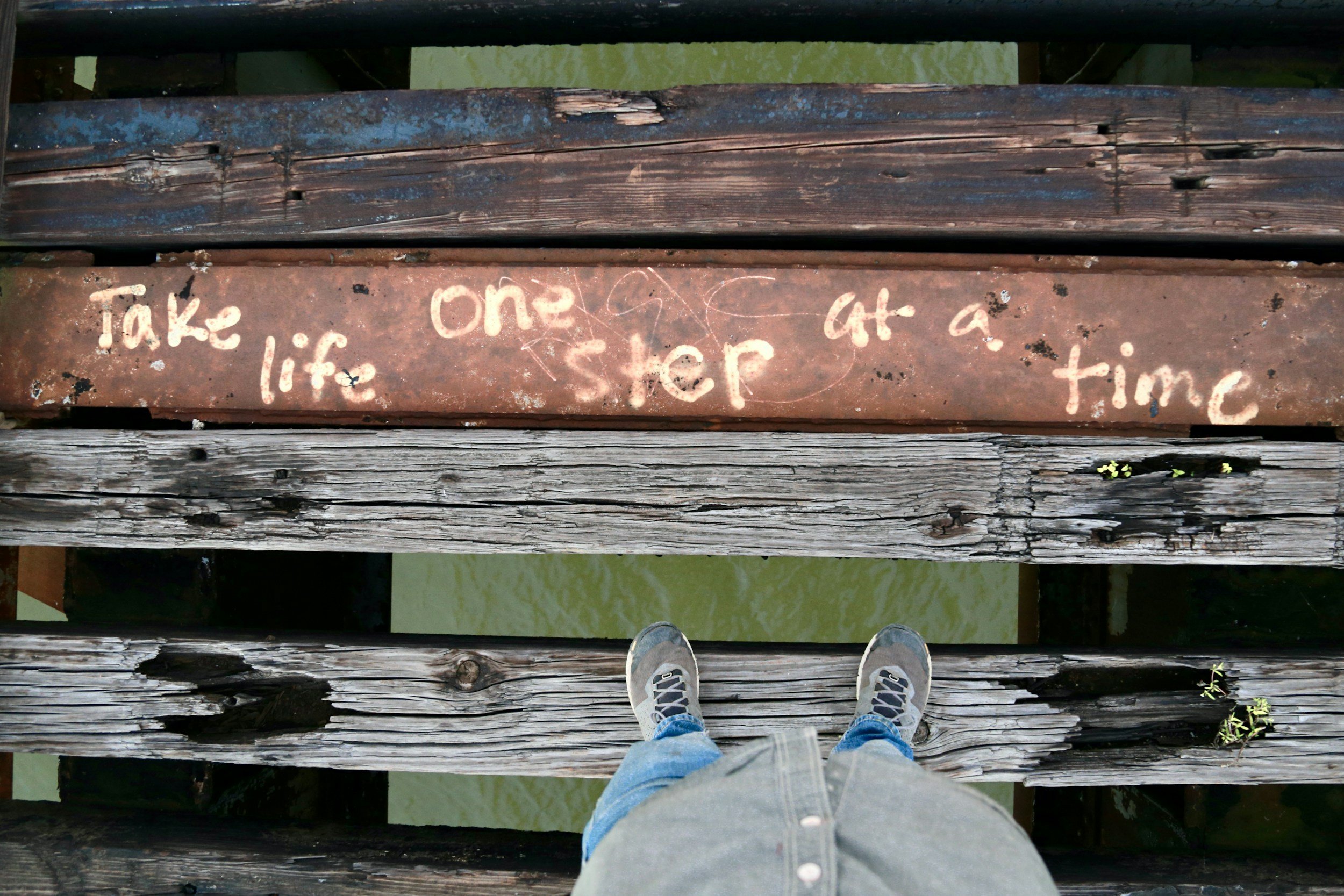
The TENDing Method: A Different Philosophy
This is what I teach in The Migraine Resilience Academy.
Not another protocol.
A practice.
Traditional approach: "Here are 47 things to change. Do them all. If you fail, it's because you didn't try hard enough."
TENDing Method: "Your nervous system is in survival mode. Let's create safety FIRST. Then we'll add tools—one at a time, at a pace your body can handle. And when you 'fail'? That's information, not condemnation."
Traditional: "Your body is broken. Let's fix it."
TENDing: "Your body is a garden that's been standing in concrete. Let's break up the concrete, prepare the soil, and tend what grows."
Traditional: "Failure = you didn't try hard enough."
TENDing: "'Failure' = your amygdala protecting you. Let's retrain the guard dog."

Meet Jennifer (A Real Client Story)
Jennifer came to me after 12 years of chronic migraines.
She'd tried:
3 different functional medicine practitioners
5 elimination diets (failed by week 3 every time)
6 neurologists
Countless supplement protocols
Acupuncture, massage, chiropractic (all helped temporarily, nothing stuck)
By the time we met, she was in the shame spiral.
"I think I'm just broken. Maybe I'm not trying hard enough. Maybe I'm too complicated."
Here's what we did differently:
Weeks 1-2: ONLY nervous system work. No diet changes. No new supplements. Just: physiological sigh, self-compassion, 3-day commitments.
Week 3: She cried. "I did it. I practiced every day for 3 weeks. I've NEVER done that before."
Evidence built.
Week 4: We added ONE thing: blood sugar stability (protein breakfast).
Week 6: Sleep optimization (side-sleeping, magnesium glycinate).
Week 8: Gentle movement (15-min walks, 4x/week).
6 months later:
Jennifer's migraine days: 19 → 7 per month.
But here's what she said mattered more:
"I don't feel like I'm failing anymore. I feel like I'm learning.
I know my patterns now. I know what my body needs on Day 10 vs. Day 24 of my cycle.
I have tools. I have agency.
I'm not cured. But I'm not helpless either.
That changes how I feel. Every day."

This is what I teach.
The Migraine Resilience Academy:
6 weeks, 90 minutes. Optional 4 week expansion. Live group coaching.
What you'll learn:
Nervous system regulation (polyvagal practices, vagal toning, safety before tools)
Root cause healing (sleep, gut-brain axis, hormones, mitochondria, toxins—in the RIGHT order, and how to know where to start. For YOU.)
Self-compassion practices (shame resilience, micro-commitments, identity shift from victim → practitioner)
Grief work (the losses nobody talks about—financial, relational, professional)
Community support (you won't do this alone)
10 founding member spots at $797 (regular price will be $2,997).
Why founding pricing?
Because you're helping me refine this work. Your feedback shapes the program.
We're building this together.
Not cure. Self-mastery.
Not fixing. Tending.
And here's what matters as much as the tools:
You won't be doing this alone.
The Migraine Resilience Academy is a cohort. A community garden.
Because healing in isolation is exponentially harder than healing in community.
When you're in the shame spiral, someone in the group will remind you: "You're not broken."
When you forget your practice, someone will say: "Me too. Let's start again tomorrow."
When you have a win—even a tiny one—the whole cohort celebrates.
That's not extra. It's foundational.
👉 Learn more:The Migraine Resilience Academy
👉 Not ready yet? Start with the free toolkit and see how it feels.

This Takes Courage (And You're Worthy of It)
Here's what I need you to understand:
This takes courage.
Not the loud kind. Not the "charge into battle" kind.
The quiet kind.
The kind that whispers: "I'll try again. Even though I'm terrified. Even though I've failed before. Even though my amygdala is screaming at me to stop."
That's bravery.
Choosing to show up in your life—in your body, in your healing—even when the outcome is uncertain.
That's stepping into the arena.
And as Brené Brown's research shows us: It's not the critic who counts. The credit belongs to the person who is actually in the arena.
Your arena is your body.
Your healing.
Your willingness to try again even when you're scared.
And every time you step into that arena—
Every time you place 3 stones.
Every time you practice the physiological sigh.
Every time you choose self-compassion over shame.
You're daring to show up for your own life.
Not perfectly.
Bravely.
And you're worthy of it.
Right now. Exactly as you are.

Choosing to try again after repeated failure? That's stepping into the arena. That's courage. And you're worthy of it—right now, exactly as you are.
Migraine Resilience is Worthiness Work
Here's the truth that sits underneath all of this:
Migraine resilience is worthiness work.
When you practice self-compassion, you're saying: "I'm worthy of care."
When you build evidence through micro-commitments, you're saying: "I'm worthy of trust."
When you choose to try again even though you're scared, you're saying: "I'm worthy of showing up for my own life."
This isn't just about fewer migraine days.
This is about reclaiming your wholehearted life.
The one where you're not shrinking.
The one where you're not performing.
The one where you're enough—right now, exactly as you are.
That's what I'm teaching.
Not migraine management.
Life reclamation.
This Is Why You Keep 'Failing' (The Truth)
It's not you.
It's not weakness, laziness, lack of discipline, or a broken character.
You've been trying to grow a garden in concrete.
And blaming yourself when nothing grows.
But here's what I know:
Concrete can be broken up.
Soil can be prepared.
Guard dogs can be retrained.
Brains can learn new patterns.
Your amygdala learned: "Trying = disappointment."
It can learn: "Trying = safe. Small steps = possible. I can trust myself."
Not through willpower.
Through:
Creating nervous system safety (breaking up the concrete)
Practicing self-compassion (getting out of the quicksand of shame)
Building evidence through micro-commitments (3 stones at a time)
Layering tools slowly (one plant at a time, tending as you go)
Your Next Step (The First Three Stones)
If you've been stuck in the “start-abandon-shame” spiral, here's where to begin:
Stone 1: Download the "Oh Shit" Migraine Toolkit (Free)
This gives you 5 science-backed practices to use when you feel a migraine coming.
Not a 30-day protocol.
An emergency response.
Small. Doable. Immediate.
Stone 2: Practice ONE Thing for 3 Days
From the toolkit, choose ONE practice:
The Physiological Sigh
Ice + Heat Protocol
Hydration + Electrolytes
Gentle Movement
Safe Space Visualization
Just one.
For 3 days.
Not perfectly. Not forever. Just 3 days.
Then notice:
Did you follow through?
If yes: You just built evidence. Your amygdala just learned: "Oh. We CAN do this."
If no: That's information. What got in the way? What does that tell you about your nervous system state?
Either way, you're learning.
Either way, you're tending the garden.
Stone 3: Practice Self-Compassion
When you forget. When you "fail." When the shame lands heavy.
Put your hand on your heart.
Take a breath.
Say this:
"I'm doing the best I can."
"My amygdala is protecting me."
"I'm worthy of trying again."
That's the third stone.
Self-compassion isn't soft.
It's the foundation everything else is built on.
You're Not Broken (The Truth You Need to Hear)
You're not failing.
You're not a broken machine.
You're not weak, lazy, or fundamentally flawed.
You're a garden trying to grow in concrete.
And you've been blaming the seeds.
But here's the truth:
The seeds are fine.
You just need to break up the concrete first.
Create safety.
Regulate your nervous system.
Build evidence, 3 stones at a time.
Practice self-compassion when you stumble.
Layer tools slowly, one at a time.
Tend the garden.
Your body isn't a machine to fix.
It's a garden to tend.
And gardens—when given safety, patience, and care—grow.
What does your body need today?
Dr. Brenna Erickson, DC
The Migraine Whisperer
DNFT-Certified | Functional Medicine Trained
Minneapolis, Minnesota
👉 START HERE: Download the free "Oh Sheet" Migraine Toolkit
👉 GO DEEPER:Learn about The Migraine Resilience Academy
👉 FOLLOW ALONG:@migrainewhisperer on Instagram
